Create an exceptional first impression and lasting memories associated with your brand. Differentiate your business with a custom-tailored scent Our sense of smell is most closely tied to memory and emotion because it’s the only sense linked to the brain’s limbic system. The limbic system regulates emotion and memory.
n this guide, we’ll explore the best practices for storing injection molds to maximize their lifespan. From cleaning and rust prevention2 to environmental control3 and regular inspections, these strategies are essential for any manufacturer looking to protect their investment and ensure seamless production.
Why is Proper Storage Crucial for Injection Molds?
Injection molds are precision-engineered tools that require careful handling and storage to maintain their functionality. When stored improperly, molds are vulnerable to:
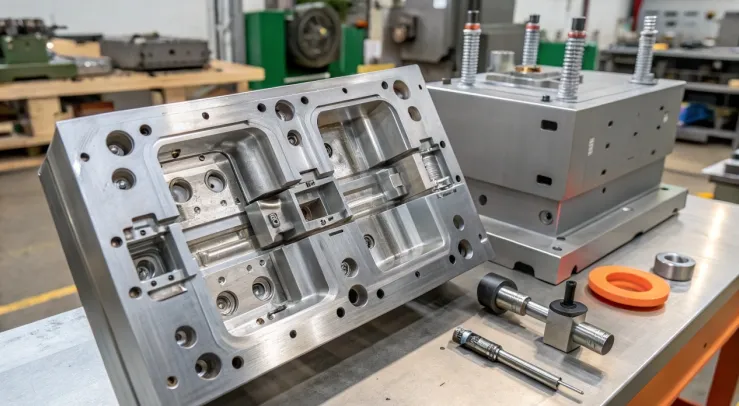
- Rust and Corrosion4: Moisture and contaminants can cause metal components to deteriorate, especially in steel molds.
- Physical Damage5: Poor handling or inadequate storage systems can lead to scratches, dents, or misalignment.
- Contamination6: Dust, debris, or residual plastic can compromise mold surfaces, affecting part quality.
Why is Regular Inspection Important During Storage?
Even with proper preparation, molds can develop issues over time. Regular inspections help catch problems early:
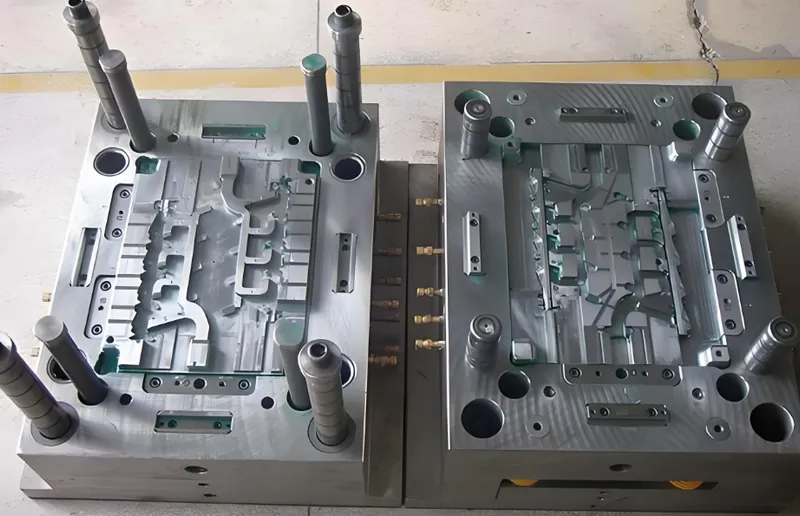
Regular inspections not only prevent minor issues from becoming major repairs but also ensure molds are production-ready when needed.
Conclusion
Storing injection molds correctly is not just about preservation—it’s about safeguarding your investment and ensuring production efficiency. By following best practices like thorough cleaning, rust prevention, environmental control, and regular inspections, you can extend mold life, reduce costs, and maintain consistent product quality. Whether for short-term or long-term storage, these strategies are essential for any manufacturer looking to optimize their operations.